May 21, 2026
Understanding how a new roof can contribute to energy efficiency is an essential consideration for homeowners across the country. As energy costs rise and the need for sustainable living grows more urgent, a roof replacement not only enhances the aesthetic appeal and structural integrity of a home but also offers substantial improvements in energy efficiency that many people overlook. By working with professional residential roofers, you can ensure that every component of your roof is optimized to trap desired air and reflect unwanted thermal energy, creating a more balanced and cost-effective household environment throughout the year.
1. Adopt Advanced Roofing Materials
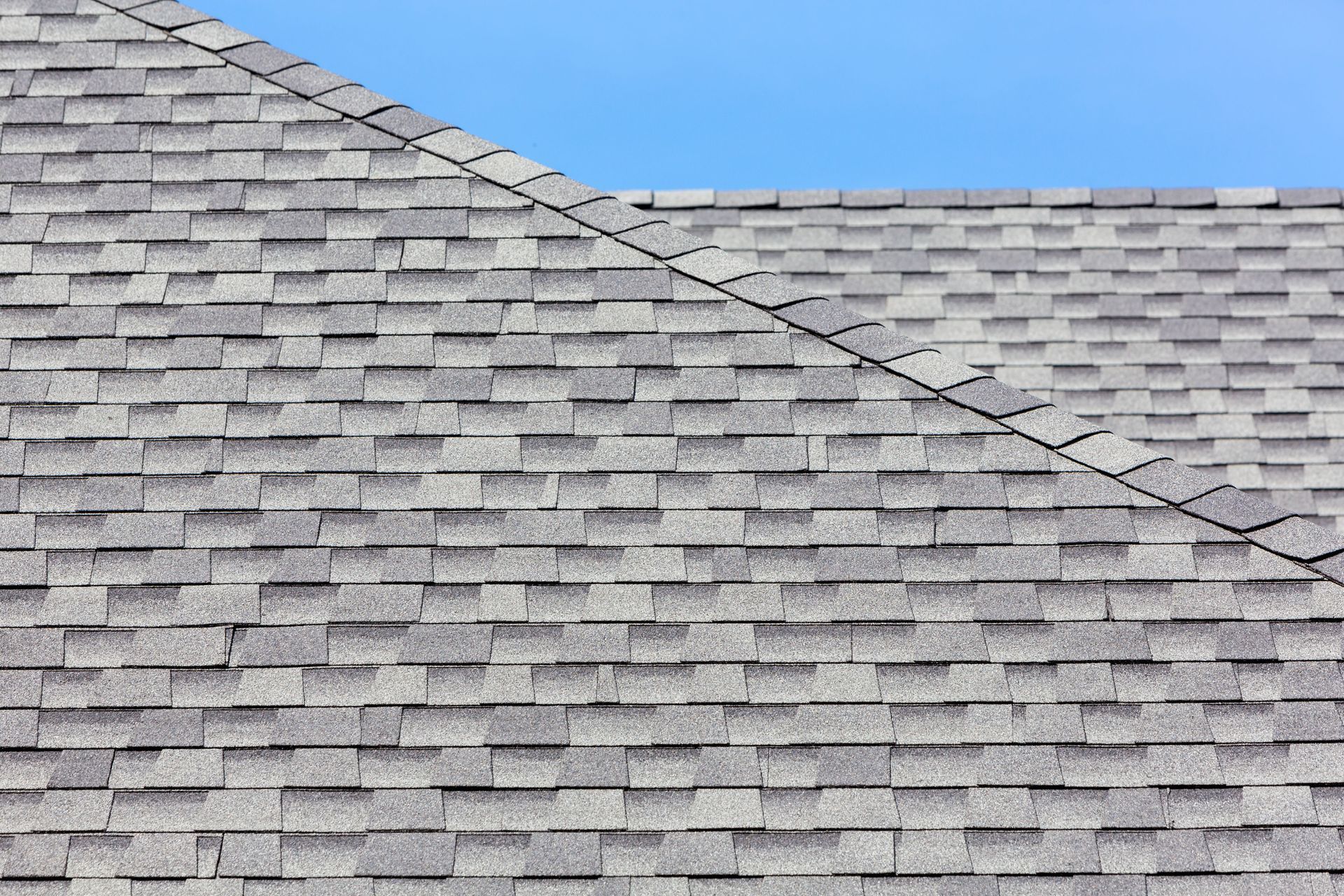
The selection of advanced roofing materials plays a pivotal role in enhancing a home's energy efficiency. Reflective coatings, for instance, are designed to minimize the amount of heat absorbed by the house by reflecting solar heat away from the roof. This helps keep the interior of the house cooler and reduces the workload on air conditioning systems, thereby lowering electricity bills. Insulation enhancements are another critical aspect, as modern roofing materials come with superior insulation properties that help maintain stable indoor temperatures. Consulting with residential roofers during the selection process ensures that the chosen materials provide the best thermal resistance for your specific climate.
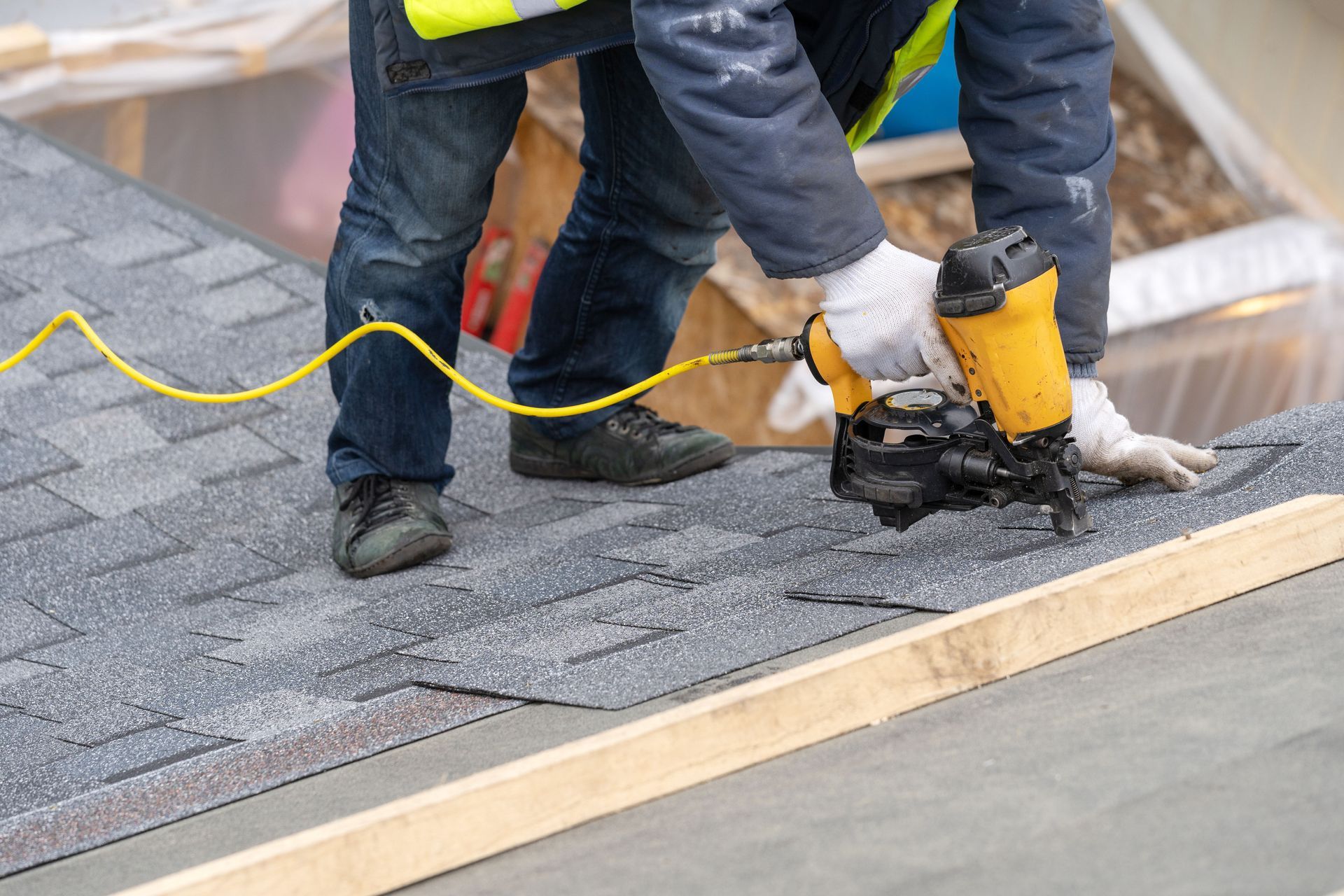
Durability is another key feature of advanced roofing materials that indirectly boosts energy efficiency. Modern roofing solutions emphasize using long-lasting materials that require minimal repairs, which translates to fewer disruptions and more consistent energy efficiency performance over time. Many contemporary roofing materials are also eco-friendly, manufactured from sustainable resources that have a reduced environmental impact. The seamless integration of these materials with existing home systems further enhances their efficiency and utility. According to HomeGuide, the process of replacing a roof typically lasts one to eight days, depending on the material used, the size of the building, the pitch of the structure, and the overall complexity of the project.
2. Upgrade Internal Ventilation Systems
Improved ventilation systems are a crucial component of energy-efficient roofing solutions. Ridge vents in modern roofs efficiently circulate air, reducing heat buildup and potential moisture accumulation. This circulation advantageously helps maintain lower indoor temperatures during the summer, thus conserving energy that would otherwise be used for cooling. Soffit vents complement ridge vents by facilitating the intake and expulsion of air, leading to improved overall air movement throughout the house. Expert residential roofers understand how to balance intake and exhaust to ensure that your attic does not become a heat trap.
Attic fans are another innovative feature in modern roofing systems designed to further reduce energy consumption. By lowering the temperature in the attic space, these fans effectively reduce the thermal strain on the home's cooling systems. This means that homeowners can enjoy a cooler home environment without overburdening their HVAC systems, thereby achieving more efficient energy use. Continuous venting through cutting-edge roofing designs ensures more uniform heating and cooling throughout the home.
3. Apply Advanced Synthetic Underlayment
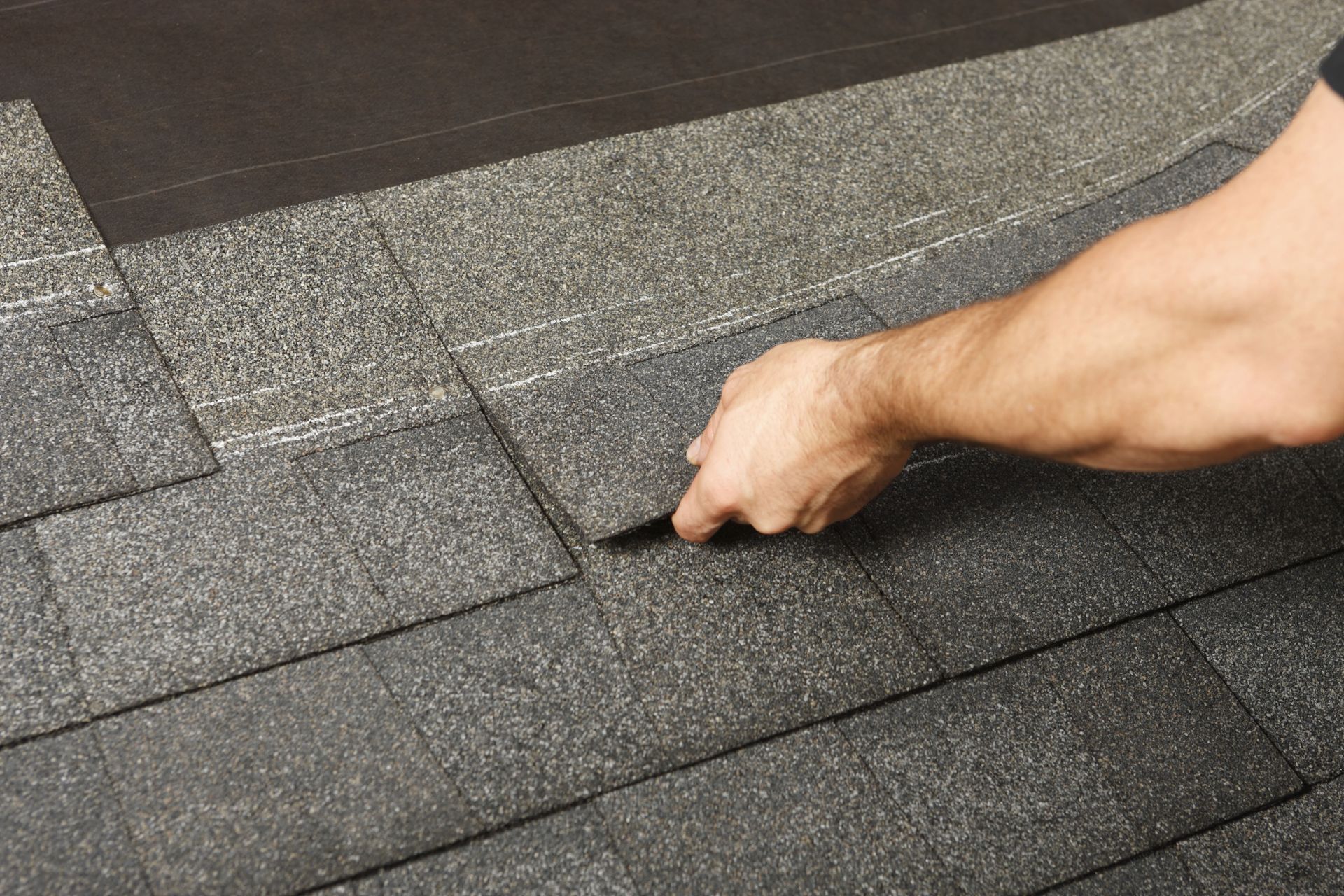
Modern roofing projects now utilize advanced synthetic underlayment to serve as a robust secondary line of defense against the elements. Unlike traditional felt paper, which can absorb moisture and degrade over time, high-performance synthetic barriers are engineered to be completely water-resistant. These materials provide a critical shield for the roof deck, preventing water from seeping into the wooden structure even if the outer shingles are damaged during a storm. Professional residential roofers often recommend these synthetic options because they offer superior traction during installation and long-term durability.
Applying these high-performance synthetic barriers is especially beneficial in regions prone to severe weather and wind-driven rain. When high winds force rain under the edges of shingles, a standard underlayment might fail, but a synthetic barrier provides a watertight seal that keeps the interior of the home protected. This protection is vital for maintaining a consistent internal environment and reducing the need for energy-intensive repairs after a storm. The material is also highly resistant to UV degradation and heat, meaning it will not become brittle or crack under the intense summer sun.
4. Boost Overall Weather Resistance
Weather resistance is a crucial factor in maintaining the energy efficiency of a home, and modern roofing designs prioritize this aspect with advanced features. Wind-resistant designs significantly reduce the risk of storm damage, ensuring that the roof remains intact even in severe weather conditions. This durability prevents frequent repairs and replacements, which can disrupt the home's energy flow and efficiency. Protecting against moisture ensures the continued functionality of the roof and sustains energy efficiency over time. When local residential roofers install high-quality underlayments, they create a secondary barrier that keeps the home airtight and dry.
In addition to wind and water resistance, modern roofs offer protection from heat and UV radiation. Advanced roof materials reflect more sunlight and absorb less heat, effectively reducing indoor heat gain from direct sunlight. This advantage is crucial during summer months when solar heat is at its peak, helping maintain cooler indoor temperatures and reducing the reliance on air conditioning. Roofs are also designed to counteract the effects of ice and snow, preventing build-up that can lead to ice dams and water damage.
5. Minimize Structural Thermal Bridging
Thermal bridging is a concept that involves the path of least resistance for heat within a building's structure, leading to increased energy consumption. Understanding thermal bridging helps identify areas where energy efficiency may be compromised. In roofing, advanced insulation strategies are essential in minimizing thermal bridges, effectively reducing heat transfer and ensuring that indoor temperatures remain stable. By focusing on minimizing thermal bridges, homeowners can benefit from more consistent energy efficiency and lower heating and cooling costs. Working with experienced residential roofers allows you to identify these weak spots in your home's envelope.
The use of metal flashing solutions in roofing designs addresses condensation issues that can arise from thermal bridging. Flashing is carefully integrated to protect against moisture infiltrating and causing heat transfer inefficiencies. High-performance installation practices further ensure that materials are properly fitted and sealed, preventing unintended heat flow through tiny gaps or inconsistencies. This precision in installation prevents the formation of thermal bridges that can negate the benefits of insulation.
6. Enhance Indoor Air Quality
A new roof brings improvements in indoor air quality, significantly impacting energy efficiency and overall home comfort. One of the primary ways this is achieved is through enhanced moisture control, which reduces the risk of mold growth and enhances air purity. By preventing moisture infiltration, modern roofing systems help maintain a healthy indoor environment, minimizing the need for energy-intensive air purification systems. This improvement in air quality is a direct benefit of modern roofing technology, supporting healthier living conditions. When you hire residential roofers to install a comprehensive roofing system, they often include specialized barriers that keep out dust and external allergens.
Another significant improvement in air quality is the reduction of allergens and pollutants entering the home. High-performance roofing can minimize the entry of outdoor contaminants, providing a cleaner indoor environment. Temperature regulation plays a crucial role in maintaining air quality, as consistent indoor temperatures help prevent the conditions that foster airborne particulates and pollutants. By keeping temperatures stable, a new roof indirectly supports the reduction of allergens and pollutants.
Installing a new roof is a critical investment that offers more than just aesthetic and structural benefits. With advances in technology and materials, homeowners can expect significant improvements in energy efficiency, reduced energy bills, and a smaller environmental footprint. By understanding the various components of modern roofing solutions, homeowners can make informed decisions that benefit both their wallets and the planet. Contact us at Truett Construction & Roofing when you need residential roofers to achieve your home improvement goals.