September 22, 2026
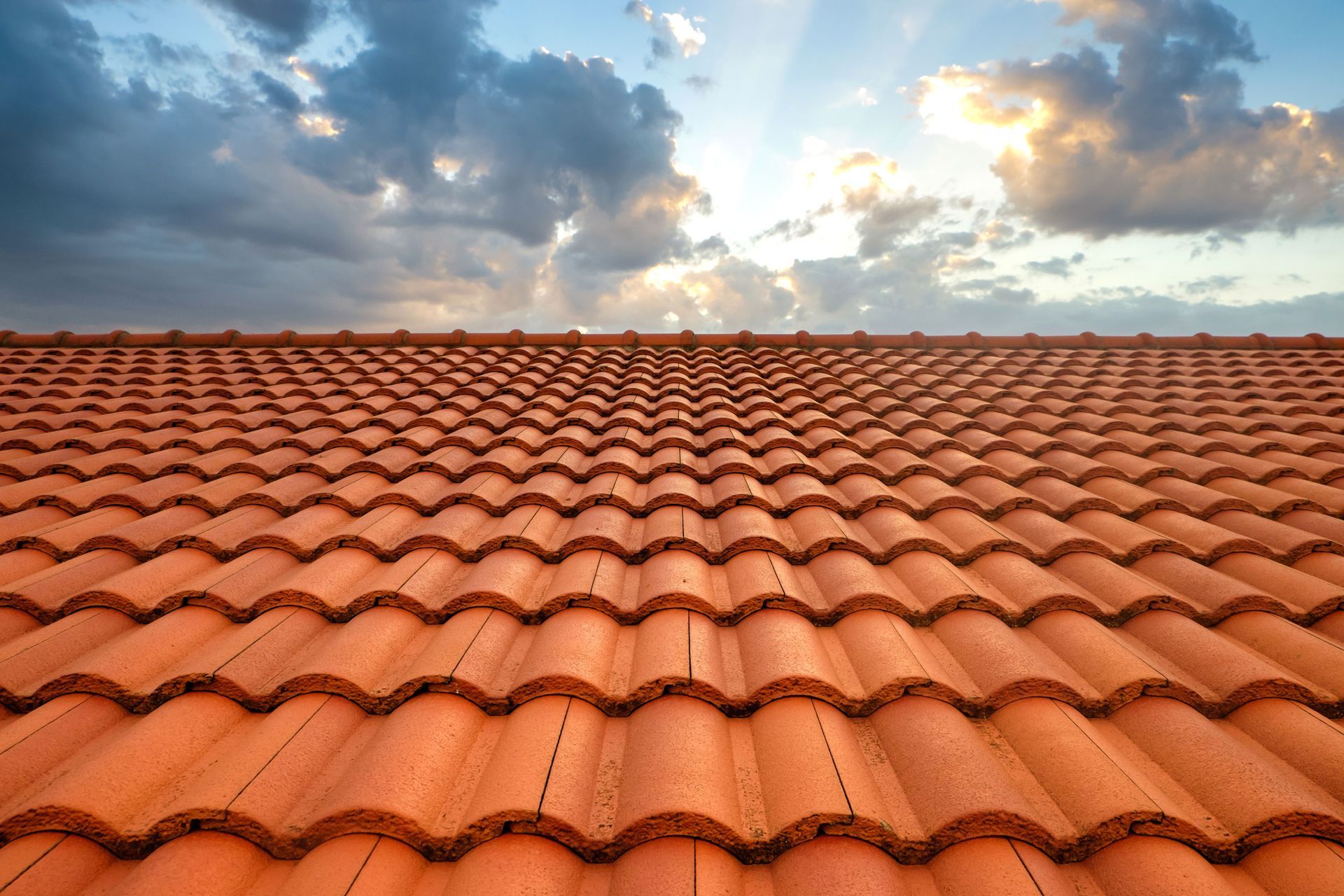
Clay tile roofs are widely admired for their durability, elevated aesthetic appeal, and natural effectiveness across diverse weather conditions. However, even the most resilient tiles can eventually develop cracks that jeopardize the overall structural integrity of your home. Identifying the primary causes of this damage and knowing when to hire a residential roofer for targeted repairs or a complete system replacement is essential for preserving your property. According to research from Industryarc.com, the market for home roofing is anticipated to reach $14.70 billion by 2030, driven by a compound annual growth rate of 4.5% from 2024 through 2030. Understanding how to protect these intricate structures ensures your home remains safe, dry, and beautiful for decades to come.
Analyze Environmental Factors and Weather Stress
Environmental conditions stand among the leading causes of surface cracking in clay roofing systems throughout the year. Thermal expansion and contraction caused by extreme heat and plummeting temperatures place continuous physical stress on every single tile. In regions subject to freeze-thaw cycles, microscopic hairline fractures rapidly expand into major structural breaks as trapped moisture freezes. Furthermore, heavy hail impacts can instantly shatter aged tiles, while high-velocity wind gusts create severe pressure differentials that fracture poorly secured components across the roof deck.
Continuous ultraviolet radiation from daily sun exposure gradually degrades the protective glaze applied to clay tiles over time. As this outer defense wears away, the underlying clay becomes porous, brittle, and significantly more susceptible to environmental stressors. Strong wind uplift can also flex individual tiles or dislodge them entirely, leaving surrounding areas unprotected against driven rain. A professional residential roofer can inspect these exposed sections to determine if isolated tile replacement will suffice or if widespread atmospheric wear requires a complete overhaul.
Identify Faulty Installation and Flashing Errors
Proper installation practices are absolute prerequisites for maximizing the lifespan of a premium clay tile structure. Underlayment serves as the secondary waterproofing barrier, and if an inexperienced installer uses substandard materials, moisture will penetrate the deck. When the supporting substrate rots or shifts beneath the tiles, uneven weight distribution creates intense pressure points that cause tiles to snap. Working with a fully licensed residential roofer ensures that all structural underlayments and flashing components meet stringent local building codes.
Incorrect adhesive application and poor fastening techniques also contribute directly to long-term tile damage across the roof. When adhesives fail or nails are driven too tightly, individual tiles lose their ability to accommodate natural building movement. Misaligned tiles lack the interlocking stability required to shed water effectively and will crack when exposed to wind loads. Experienced contractors install robust expansion joints and proper batten systems, allowing the roof to expand and contract safely without crushing adjacent tiles.
Evaluate Material Quality and Manufacturing Defects
The density and purity of the raw clay heavily influence how well a roof resists cracking over its operational lifespan. Low-grade clay tiles often feature inconsistent density, leading to localized weak spots that fail under normal foot traffic or minor weather events. High-quality tiles undergo precise manufacturing processes that guarantee uniform thickness and structural integrity across every piece. Sourcing materials from reputable manufacturers prevents premature brittle failure and ensures maximum resistance against harsh outdoor elements.
Manufacturing flaws, such as improper kiln firing temperatures, severely compromise the durability of clay roofing products. Tiles that are under-fired remain overly porous and absorb excessive amounts of ambient moisture, making them prone to severe frost damage. Conversely, over-fired tiles become glass-like and dangerously brittle, cracking easily under slight loads. Partnering with a skilled residential roofer guarantees that your replacement materials carry comprehensive manufacturer warranties and meet rigid industry quality standards.
Monitor Structural Building Movements and Foundation Shifts
Natural structural movement within a home places immense stress on rigid clay tile installations. As a building settles into its foundation over time, subtle shifts in the framing transfer load forces upward into the roof deck. These movement forces push tiles against one another, resulting in stress fractures along contact lines. In areas prone to seismic activity or minor ground tremors, micro-fractures can develop instantly across multiple roof slopes without displaying obvious immediate surface debris.
Foundation settlement and compromised structural framing drastically alter how weight is distributed across the upper levels of a home. When roof trusses sag or exterior walls shift, clay tiles lose their level support base and begin to buckle under their own weight. Modern structural design must account for thermal expansion, seismic shifts, and wind uplift forces to keep tiles intact. If structural movement has caused widespread cracking, consulting a certified residential roofer is necessary to address underlying framing issues before installing new tiles.
Address Biological Growth and Wildlife Impacts
Biological growth poses a subtle but persistent threat to the structural condition of clay tiles. Invasive plant species, climbing vines, and overhanging tree branches exert physical pressure against tile edges while scraping away protective surface coatings. When tree limbs rub continuously against the roof, they chip brittle edges and create entry points for water. Trimming back foliage and maintaining clear clearances around your roofline eliminates these preventable physical hazards completely.
Moss, algae, and lichen thrive in damp, shaded roofing environments, trapping moisture directly against clay surfaces for extended periods. This continuous dampness weakens the tile body and accelerates freeze-thaw cracking during colder winter months. Additionally, birds, rodents, and pests nesting under loose tiles can dislodge components and deposit acidic waste that degrades roofing materials. Scheduling routine cleanings with an insured residential roofer safely removes organic growth and deters destructive wildlife from establishing nests.
Schedule Consistent Maintenance and Professional Inspections
Proactive maintenance programs are essential for preserving the appearance and performance of custom clay roofing systems. Annual inspections allow experts to identify hairline cracks, deteriorated sealant, and shifted tiles before minor defects escalate into structural leaks. Catching problems early saves property owners thousands of dollars in emergency repairs and interior water damage restoration. Given the substantial investment required for tile roofs, routine care ensures you achieve the maximum return on your asset.
Safe cleaning techniques are equally vital when maintaining the delicate surface of clay tiles. High-pressure power washing can strip protective glazes, break aged tiles, and force water beneath the underlayment. Professional contractors utilize soft-wash chemical treatments specifically formulated to eliminate moss and algae without causing physical damage. Hiring a qualified residential roofer guarantees that all maintenance work is performed using specialized walking boards and fall-protection equipment to keep your roof intact and secure.
Know When to Choose Repair Versus Replacement
Determining whether your clay tile roof requires localized repairs or a full system replacement depends on the overall extent of the damage. If cracking is isolated to a few tiles due to fallen tree branches or direct impact, replacing those specific units is cost-effective and straightforward. However, if over 20% of the tiles are fractured, or if the underlying waterproofing membrane has degraded past its useful life, partial fixes will only delay an inevitable whole-roof failure.
A comprehensive evaluation by a professional residential roofer provides the clarity needed to make a confident financial choice. When the supporting deck shows signs of widespread rot or structural sagging, a full tear-off becomes necessary to restore safety. Truett Construction & Roofing provides expert evaluations to determine the precise health of your clay tiles. Our team works with an owner on every job site, provides free estimates, offers flexible payment plans, handles insurance claims, and backs our craftsmanship with a Lifetime Leak-Free Warranty. Contact Truett Construction & Roofing today to protect your property with top-tier roofing solutions.